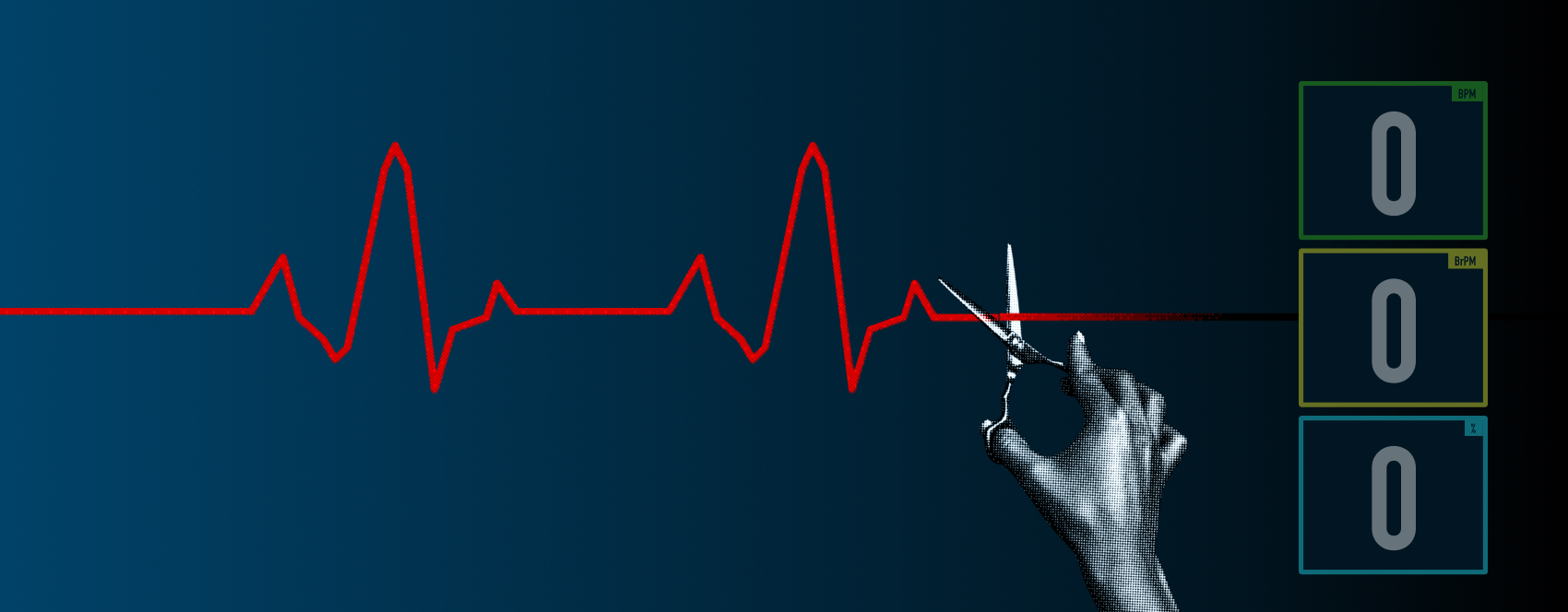
Governor JB Pritzker signed Illinois’ physician assisted suicide into law last year— a signature that the vast majority of states have not been willing to give. The law will go into effect Sept. 12 of this year bringing with it grave consequences.
In Practice, Assisted Suicide is Dangerous
Assisted suicide may be presented as compassionate, but it carries grave dangers, especially for the vulnerable. When lethal drugs are offered people who are afraid, depressed, lonely, or pressured may be placed at a grave risk.
- Patients may choose death because they feel abandoned, afraid, or burdensome.
- The new law does not require hospice, palliative care, or pain management first.
- A doctor does not have to be present when the drugs are taken.
- Pressure and coercion are difficult to prevent.
- Insurance companies may find it cheaper to cover assisted suicide than continued care.
Assisted Suicide Sends the Message that some Lives are not Worth Living
Human worth does not depend on health, independence, productivity, or control. Every Human is made in the image and likeness of God. The dignity that comes with this divine image is not diminished in suffering. Rather, Christ blessed suffering when he walked the path of the cross. This does not mean that we abandon those who suffer but rather, like Simon who carried Christ and like Christ himself, we walk beside them and bear the burden with them.
When we permit assisted suicide we permit the belief that some life is not worth living. The elderly, disabled, or depressed are disproportionately effected by this falsehood and can be led to give up hope. Their life is not a mistake nor is their suffering without dignity.
“To Suffer with” not “To Eliminate”
Compassion literally means “to suffer with.” Christ did not abandon people. He entered into our suffering to the point of death so that even in death we might have a companion and a savior. Fear of pain, of loneliness, dependence, or being a burden should not be met with the suggestion for suicide but with care, love, presence, and accompaniment. True compassion never kills the one who suffers— it walks with them.
A Poison in the Culture
Once suicide becomes accepted as “medicine” the relationship between doctors and patients will change. When those who heal are also those who deal in death distrust between doctors and patients will become more common making it harder to provide legitimate healthcare.
We work to prevent suicide in almost every other circumstance. Suicide does not suddenly become compassionate once someone is sick, elderly, or within the bounds of a healthcare institution.
“True compassion leads to sharing another’s pain.”
- St. John Paul II
The Church Supports Real End-of-Life Care
Palliative care (care given at the end of life such as hospice) is strongly supported by the church. Pain management, emotional support, spiritual care, and the sacraments are ways that genuinely help those nearing the end. Intentionally ending their life does not.
It is important to note that there is a moral difference between allowing natural death and intentionally causing death. Catholics and all people are morally permitted to refuse burdensome or disproportionate treatment when there is little hope of recovery.
Suffering has meaning
The Christian faith does not deny suffering a place in our life. Rather, our faith teaches us of Christ’s love for us in pain. Our suffering can be redemptive when we recognize that we are participating in a part of Christ’s life, most poignantly the crucifixion. Even during serious illness, there can be moments of grace, reconciliation, forgiveness, prayer, and deep love. Life remains sacred and meaningful in weakness and suffering.
Prepare for Crisis before it comes
As Catholics, we have a duty to love our neighbors. This love certainly involves caring for those who are entering into a period of suffering, the end of their lives, or are ignorant to the dangers of suicide. Consider discussing end-of-life wishes with loved ones before a medical crisis occurs.
It is also important for families to choose trusted healthcare proxies and ensure healthcare decisions reflect Catholic teaching. No Catholic should face death alone or without spiritual care. Remember the importance of sacraments near the end of life: Confession, Anointing of the Sick, and holy Communion.
What to do when someone expresses a terminal diagnosis?
Help them get proper pain management, perhaps hospice or palliative care, to make sure they are never alone. Encourage them to reach out to their clergy and parish, especially if they have not been close before. The Church has walked with people for her whole 2000-year history.