This second precept ensures preparation for the Eucharist by the reception of the sacrament of reconciliation, which continues Baptism’s work of conversion and forgiveness.
“You shall confess your sins at least once a year.”
- CCC §2042
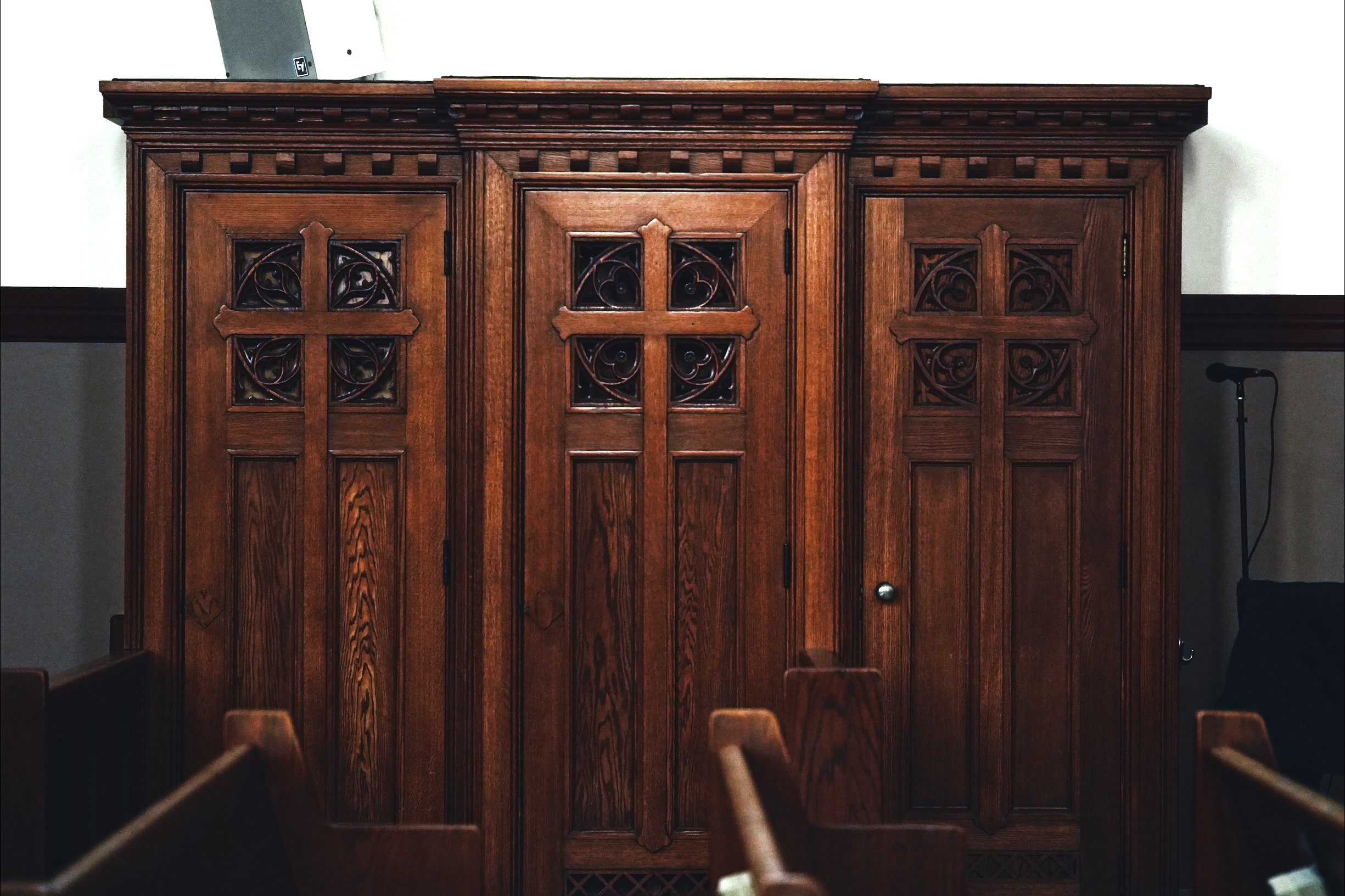
As the passions throw us like a violent sea from sin to sin, the sea-calmer, Jesus, stands firm atop the waves. Even as we fall into the depths of these chaotic waters, into venial or mortal sin, Christ offers us his hand in the confessional booth. This is the place we go, not to be condemned or judged, but to receive forgiveness. It can be humbling to admit when we have sunk into depths that require us to be saved yet it is precisely in these moments where many learn most of the love of God, of our fallen nature, and of our divine dependence. Do not be afraid. Reconciliation, like baptism, will pull you from the chaotic waters that wash over you, leaving you a new creation.
Examination of Conscience
To confess, we must first know our sin. The practice of examining our conscience is like carrying a lantern through our memories, looking for our failures, and gathering them for the cleaning waters of confession. It is best done with scripture or a prepared list. Common scriptures used include the Ten Commandments, the Gospels, and apostolic letters. Examinations of conscience can also be found online or at the front of church.
“The reception of this sacrament ought to be prepared for by an examination of conscience made in the light of the Word of God.”
- CCC §1454
Founded in the Church & Scripture
Though different in practice, the sacrament of penance has remained substantially the same down the centuries. From rare public confessions to the eastern monastic inspired form of regular private penance we practice today, the sacrament of reconciliation has been maintained.
Just as the practice of the church testifies to this sacrament so too do the scriptures. The old and new testaments speaks of sinners confessing their sins and letters of the new testament exhort us to do the same. James describes it like this:
“Confess your sins to one another, and pray for one another, that you may be healed. The prayer of a righteous man has great power in its effects.”
- James 5:16


